




Session Agenda
8:00 AM - 9:15 AM
Artificial Intelligence is no longer a future concept; it is actively reshaping how health programs are designed, managed, and optimized. For plan sponsors and benefits leaders, this brings both opportunities and obligations. This keynote explores various impacts of AI, including cybersecurity risks, shifting fiduciary duties, and necessary governance. Finally, learn how AI can positively transform the area of health benefits within your organization.
9:45 AM - 10:45 AM
Many employers have access to Centers of Excellence, but fragmented care, inconsistent navigation, and disconnected provider decisions can limit their impact. This session provides a practical framework for aligning high-value provider selection, patient navigation, benefit design, and outcomes measurement to create a more connected care journey. Attendees will gain actionable tools to build their own Centers of Excellence strategy or evaluate potential partners.
9:45 AM - 10:45 AM
As healthcare costs continue to rise, employers face the challenge of managing expenses while meeting the changing needs and expectations of a multigenerational workforce. Different generations bring different priorities, shaped by their life stages, financial pressures, and experiences. From mental health and financial well-being to flexibility, student debt, retirement security, and work-life balance, understanding what employees value—and why—is essential to designing competitive benefits programs.
Through practical examples and employer case studies, this session will explore how organizations can balance rising healthcare costs, high-cost claims, and specialty drug expenses with innovative, data-driven benefits strategies. Participants will also examine key regulatory considerations, including ERISA, HIPAA, GINA, and mental health parity, to help ensure programs are both effective and compliant.
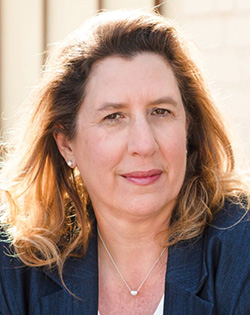
11:00 AM - 12:00 PM
This session explores the litigation risks of using AI in benefit claim determinations. Drawing on recent cases involving Cigna, UnitedHealth Group and Humana, attendees will explore how AI-assisted decisions can lead to fiduciary breach allegations and the crucial role of human review in claims processes and plan documents.
-
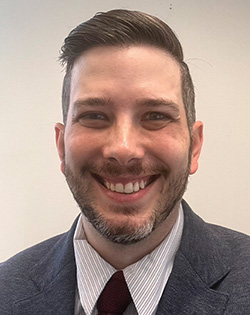 Grant Piechocinski, J.D.
11:00 AM - 12:00 PM
Most fiduciary education is led by brokers and attorneys who have never sat in the HR seat. In this session, learn from a 25+ year Global Benefits Executive who carried the weight of decisions that affected tens of thousands of employees. This session moves past legal theory and into the real work of standing up a governance process, running a benefits committee that holds up under scrutiny, and holding vendors and advisors accountable for the outcomes they promised. Attendees will leave with a practical governance checklist, a vendor scorecard, and an HR Fiduciary Question Bank they can put to work immediately.
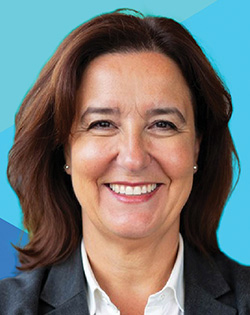
11:00 AM - 12:00 PM
Most employers have moved past the question of whether to cover GLP-1s. The harder, less-discussed question is what "return" actually means for a benefit like this, and most ROI conversations stop at the price tag. This session argues that's an incomplete picture: a program's true cost-effectiveness depends as much on what happens after someone starts -- or stops -- treatment as on the sticker price. Drawing on published outcomes research and real-world claims data, this session unpacks the two variables often overlooked when evaluating metabolic health ROI: the shape of the cost curve over time (not just launch pricing), and the durability of outcomes once medication use ends. Attendees will leave with a more complete ROI lens and a set of questions to bring back to their own program's measurement plan.
-
Norm Puente
-
Melanie Nayer
1:15 PM - 2:15 PM
Rising healthcare costs, increasing chronic and multi-chronic disease prevalence and gaps in preventive care are creating growing challenges for employers and their workforces. A sustainable benefits strategy requires moving beyond reactive care to a more integrated approach that supports employees across the full health continuum–from prevention and early risk identification to condition management and targeted clinical intervention.
This session explores how organizations can combine broad population health strategies with focused, evidence-informed interventions to promote whole-person well-being, identify health risks earlier, improve outcomes and address the clinical drivers of avoidable healthcare spending. Attendees will gain practical insights into building a strategy that balances population-wide impact with targeted support for individuals and conditions driving the greatest health and cost burden.
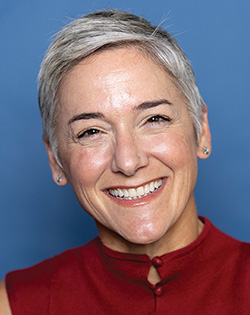

1:15 PM - 2:15 PM
Rising health care costs are placing increasing strain on both organizations and the workforce. Drawing on the latest research, this session examines how benefit leaders can address these challenges through thoughtful plan design strategies that balance cost management with employee needs and outcomes.
1:15 PM - 2:15 PM
Most self-funded employers believe they are paying to manage chronic disease, but they are paying twice: once for ongoing management through medications, specialists, and monitoring, and again for the preventable complications that follow when root causes go unaddressed. Dr. Erica Armstrong will break down the hidden cost structure behind employer healthcare spend, showing how metabolic, musculoskeletal, autoimmune, and hormonal conditions compound costs across medical claims, pharmacy, and lost productivity. Attendees will leave with a framework for evaluating root-cause care models that address disease drivers at employer scale and reduce long-term costs.
2:45 PM - 3:45 PM
As healthcare costs continue to rise, employers can’t simply shift more of the burden to employees and expect better outcomes. This session will explore practical approaches to designing health and welfare offerings that balance cost, competitiveness, and employee value while supporting broader business and talent objectives.
2:45 PM - 3:45 PM
The pharmacy landscape is undergoing unprecedented transformation. New regulations, breakthrough therapies, escalating specialty drug costs, evolving PBM and pharmacy benefit administrator (PBA) models, and a growing ecosystem of innovative partners are creating both opportunities and challenges for plan sponsors. Success in this environment requires more than a PBM procurement strategy. It requires a comprehensive pharmacy strategy that aligns clinical, financial, operational, and member experience objectives. This session will provide executives with a practical framework for evaluating market developments, assessing emerging solutions, and building a modern pharmacy strategy that positions their organizations for long-term success.
-
Nathan Drapkin
2:45 PM - 3:45 PM
A successful Well-Being Champion Network doesn't happen by accident. Learn how St. Luke's Health System built and sustained a network of more than 550 volunteer champions by intentionally educating, engaging, and empowering employees to serve as trusted ambassadors for well-being and benefits. Attendees will explore the tools, resources, communication strategies, development opportunities, and recognition practices that help champions thrive and drive meaningful increases in employee awareness, engagement, and utilization of benefits and well-being programs.
4:00 PM - 5:00 PM
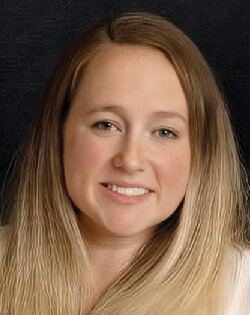
Most HR and benefits professionals encounter leave and absence data as an administrative and compliance output - but for those trained to read population health signals, absence patterns are among the most powerful early warning systems available to an employer. This session teaches benefits professionals to interpret five specific absence patterns as clinical workforce health diagnostics, with particular attention to intermittent FMLA and ADA leave as a chronic disease management failure that compliance-only management consistently makes worse. Attendees will leave with a practical absence diagnostic framework, a clinical early intervention model for engaging employees at the leave trigger point, and a blueprint for integrating leave administration, case management, and EAP into a coordinated population health response.

4:00 PM - 5:00 PM
While a massive 72% of employers plan to embed AI into benefits over the next two years, only 20% actively use it today—leaving a critical execution gap for HR leaders. Drawing from real-world benefits case studies and a global 7-month AI process-mapping initiative at Booksy, this session cuts through the hype to deliver a practical roadmap for scaling personalized benefits communications. Attendees will discover how to safely utilize AI for creative workflows like drafting and speechwriting while establishing the essential governance and guardrails needed to protect sensitive employee data.
-
 Rachel Beck-Garcia, PHR, CWWP
4:00 PM - 5:00 PM
Clinical care accounts for only a fraction of a population's health outcomes; social and economic factors, neighborhood conditions, stigma, and bias shape whether workers can use the benefits offered to them. This session examines how social drivers of health and health disparities create barriers to care, and how plan sponsors can use workforce data — including neighborhood-level indices and segment analysis — to pinpoint where those barriers concentrate. Participants will leave with practical worker-focused and community-focused strategies for targeting benefits, resources, and communications to the populations that need them most.

8:00 AM - 9:00 AM
Employee benefits are one of an organization’s largest investments, yet many employees only engage with them during open enrollment. This session will equip you to build a strategic, year-round communication approach using targeted messaging, seasonal campaigns, automation, and engaging touchpoints that command attention, drive action, and help employees get the full value of their benefits all year long. Attendees will also receive The Benefits Engagement Blueprint™: A 12-Month Communication Calendar to help put these strategies into practice.
-
 Heather Huffman, MSHRM
8:00 AM - 9:00 AM
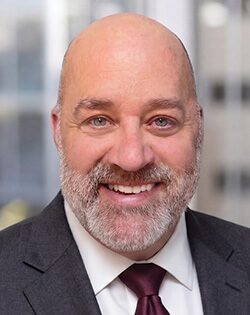
Prescription drug advertising and complex rebate arrangements can influence which medications patients request, how pharmacy benefits are managed, and what employers ultimately pay. This session will explore how these forces affect pharmacy costs and provide practical strategies for evaluating plan performance, managing prescription drug spending, and communicating with plan members. Attendees will leave with actionable steps to help control costs while supporting informed medication decisions and access to appropriate care.
8:00 AM - 9:00 AM
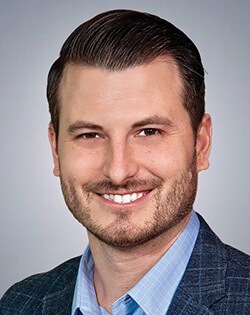
Caregiver programs succeed when they blend empathy, accessibility, and measurable outcomes. Drawing from Trualta’s national experience supporting thousands of caregivers, this session unpacks nine data-driven best practices that define effective caregiver initiatives—from recognizing the diversity of caregiver journeys to creating emotional connection and quantifying outcomes.
8:00 AM - 9:00 AM
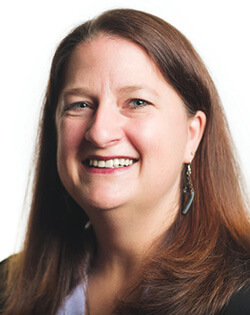
This in-depth session explores why dependent eligibility audits are essential for verifying enrolled dependents, identifying ineligible participants and uncovering meaningful plan savings. Drawing on 18 years of experience working with dependent audit teams, the presenter will share industry insights and practical best practices for conducting a successful audit.
9:30 AM - 10:30 AM
As cell and gene therapies become more common, benefit plan leaders must prepare for their financial impact. This session will provide a practical overview of the current and emerging therapy landscape, the implications for self-insured health plans, and the strategies available to manage cost, access and care. Attendees will learn key questions to ask and determine which approaches best meet the needs of their plan participants.
-
Ashley Hume
9:30 AM - 10:30 AM
In this session, learn how an employer and their cancer benefit partner implemented a proactive, end-to-end cancer care strategy designed to improve access, accelerate follow-up, and deliver direct clinical support across the full cancer journey. Attendees will learn how the organization achieved quick and meaningful results across various population demographics in only the first two months of partnership, including 11.25% enrollment, a 14% increase in screening adherence, and closure of 56% of identified screening gaps. Speakers will also share how an integrated cancer care model can drive measurable outcomes beyond early detection, including improvements in treatment, survivorship care, employee experience, and overall ROI.
-
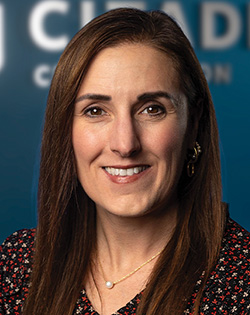 Heather Morgan, PHR
-
Stephanie Ventrella
10:45 AM - 11:45 AM
Surgery is one of the most common and underestimated pathways to catastrophic, and rising claim costs. This session first reveals how a nurse-navigated support model reduced complications to lower those costs, spanning 2,380 employees across 62 employers, then covers two additional employer case studies.
Attendees will leave with a practical, data-backed framework for improving care outcomes while reducing costly complications, recovery time, and risks of a routine surgery becoming a catastrophic claim with a proactive approach to surgical care navigation.
-
Joshua Barnett, PhD
10:45 AM - 11:45 AM
This session explores how vision, dental and hearing benefits play a powerful role in identifying health risks and improving overall wellness. Attendees will examine how biomarkers and the future of AI-based predictive modeling can help detect chronic and neurological conditions to improve patient care and outcomes. The session will also explore how while traditional discounted hearing aids have seen low utilization, newer FDA-approved treatment options are gaining greater acceptance.
-
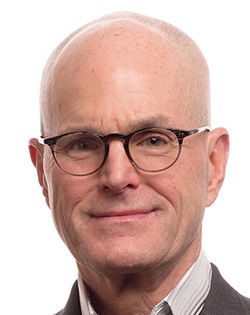 John Lahr, OD
12:00 PM - 1:00 PM
Health headlines continue to focus on negative trends, telling a story of increasing costs and decreasing levels of quality. At the same time, the evolution of medical and technological advances is rapidly improving health care. This closing keynote explores a modern take on patient care, from gene therapies and AI diagnostics to wearable technology and 3D printing. Discover how these cutting-edge advancements are impacting benefit plans, shifting disease trends, altering patient behavior, and are rewriting the human stories behind the statistics.